Why fishing and farming games feel so calming
Fishing and farming games offer a slower kind of play that many people find relaxing. In this opinion piece, we look at the design choices that give the genre its easygoing character.
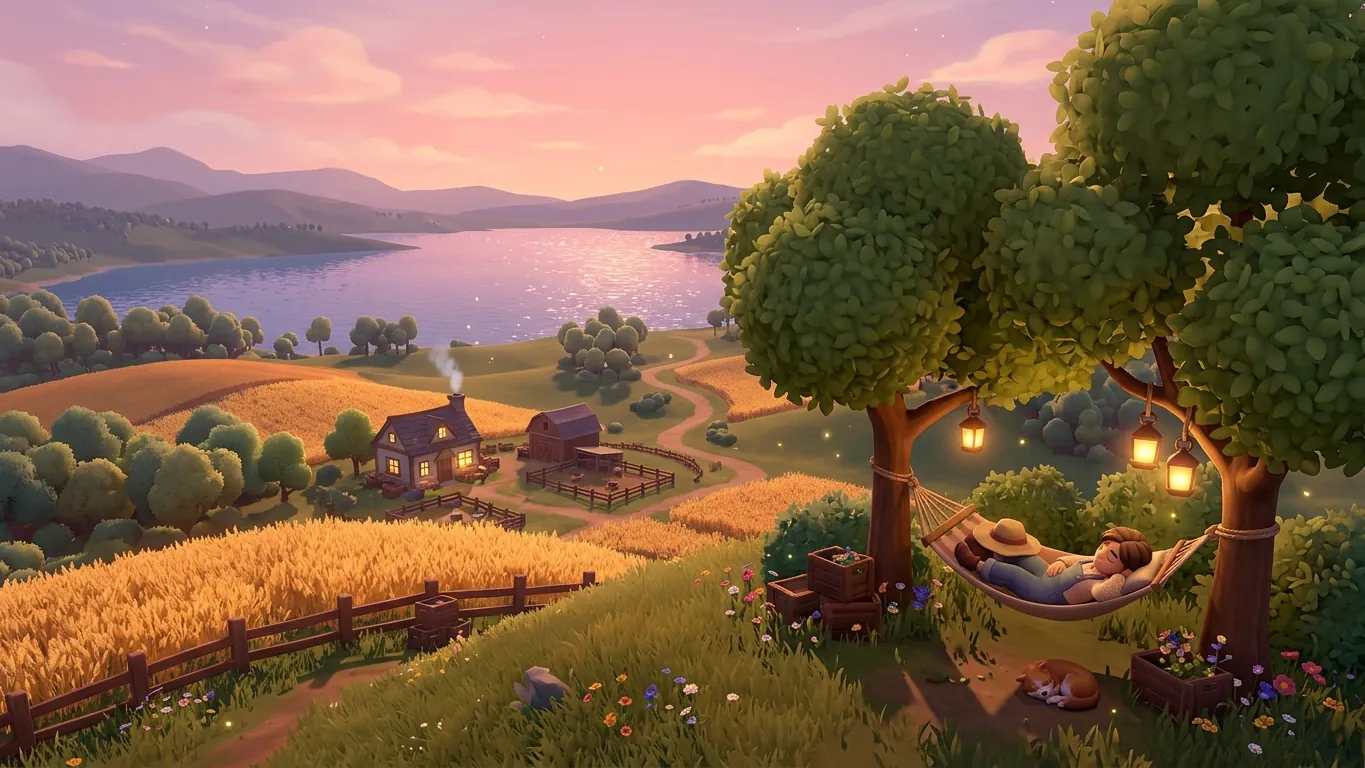
A different kind of challenge
Plenty of games test reflexes, strategy or endurance. Fishing and farming games challenge players too, but in a gentler way. The questions they ask are usually about planning and patience rather than speed: what should I plant this season, where might that rare fish be hiding, how can I fit everything into one day?
In our view, this is a large part of the appeal. Mistakes are rarely dramatic. A missed fish swims away and you cast again. A wilted crop is a lesson for next season. The stakes are low enough that players can experiment freely, and that freedom often makes the experience feel restful rather than demanding. Of course, everyone responds to games differently, and what feels calm to one player may feel slow to another.
Rhythm and routine
Farming games in particular are built around repeating cycles: wake up, water crops, tend animals, run errands, rest. Fishing has its own rhythm of casting, waiting and reeling. These loops are simple, but they give each session a reassuring structure.
Routine in a game can feel satisfying because it is predictable without being completely fixed. The weather changes, new seasons bring new crops, and an unexpected catch can brighten an ordinary morning. The balance between familiar tasks and small surprises is, we think, one of the genre's best design ideas.
Progress you can see
Another reason these games feel rewarding is that progress is visible. An overgrown field slowly becomes an organized farm. A basic rod gives way to better equipment. A collection log fills up with fish from every corner of the map. You can look around the game world and see the results of your time.
This kind of tangible progress is different from abstract numbers or rankings. It feels personal, because the farm reflects your choices: which crops you favored, where you placed buildings, how you decorated. Two players can play the same game and end up with completely different homesteads.
Echoes of real pastimes
Fishing and farming are classic outdoor pastimes, and the games borrow a lot of their mood from them. Quiet mornings by the water, the satisfaction of a harvest, the small pride of a well-kept field: these feelings translate well into a digital setting, even if the real activities involve far more effort and unpredictability.
For some players, these games are a way to enjoy that atmosphere when the real thing is out of reach, whether because of time, weather or location. For others, they are simply a pleasant theme. Either way, the games do not replace real hobbies, but they can capture a little of their spirit.
Where the genre could grow
No genre is perfect. Some fishing and farming games lean heavily on repetition, and late-game routines can start to feel like chores. Others pack in so many systems that the relaxed feeling gives way to long to-do lists.
Our personal preference is for games that respect the player's pace: generous time limits, optional goals and plenty of room to simply wander, fish or decorate. Whatever your taste, the best approach is to play in the way that feels good to you. If a session stops being enjoyable, it is perfectly fine to put the rod down and come back another day.
Related articles
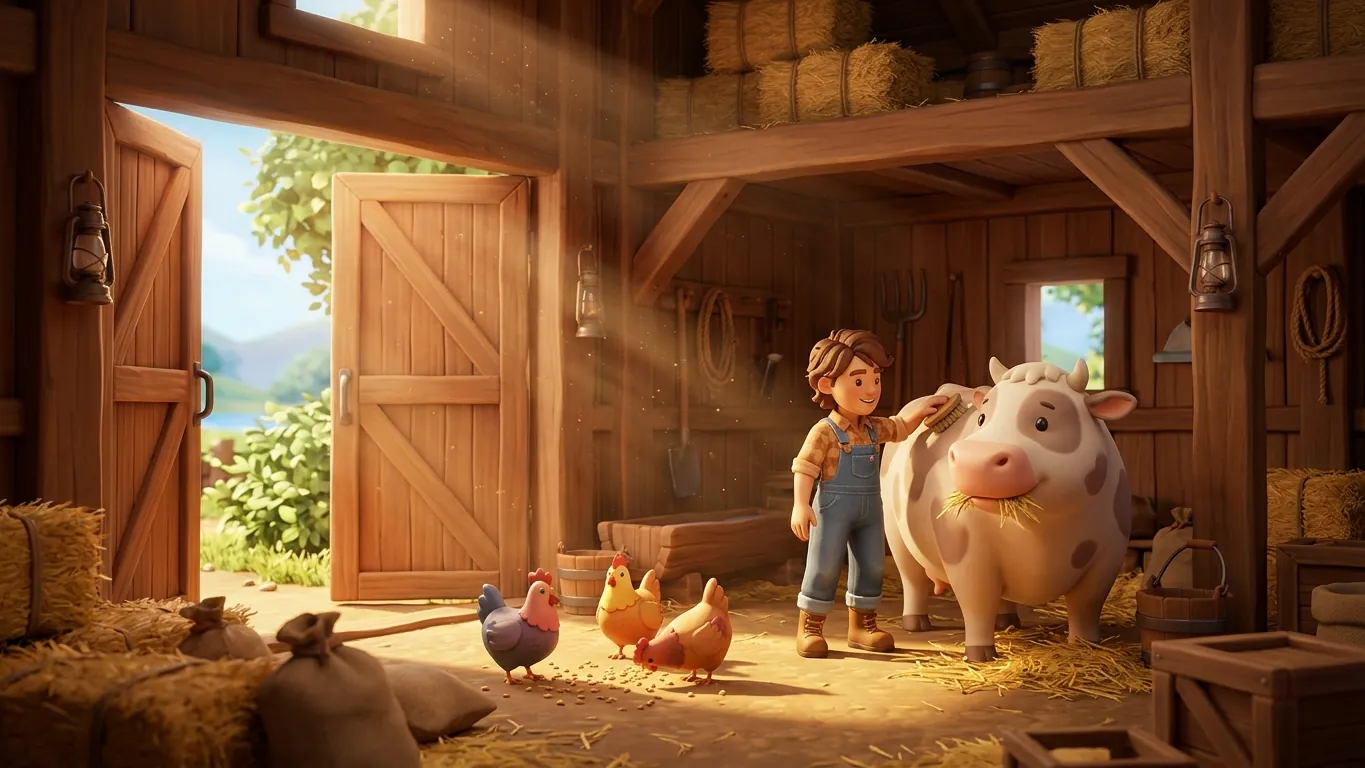 Animal care basics in farming games
An introduction to animal care in farming games: choosing your first animals, building a daily routine, setting up barns and expanding at a comfortable pace.
Read more
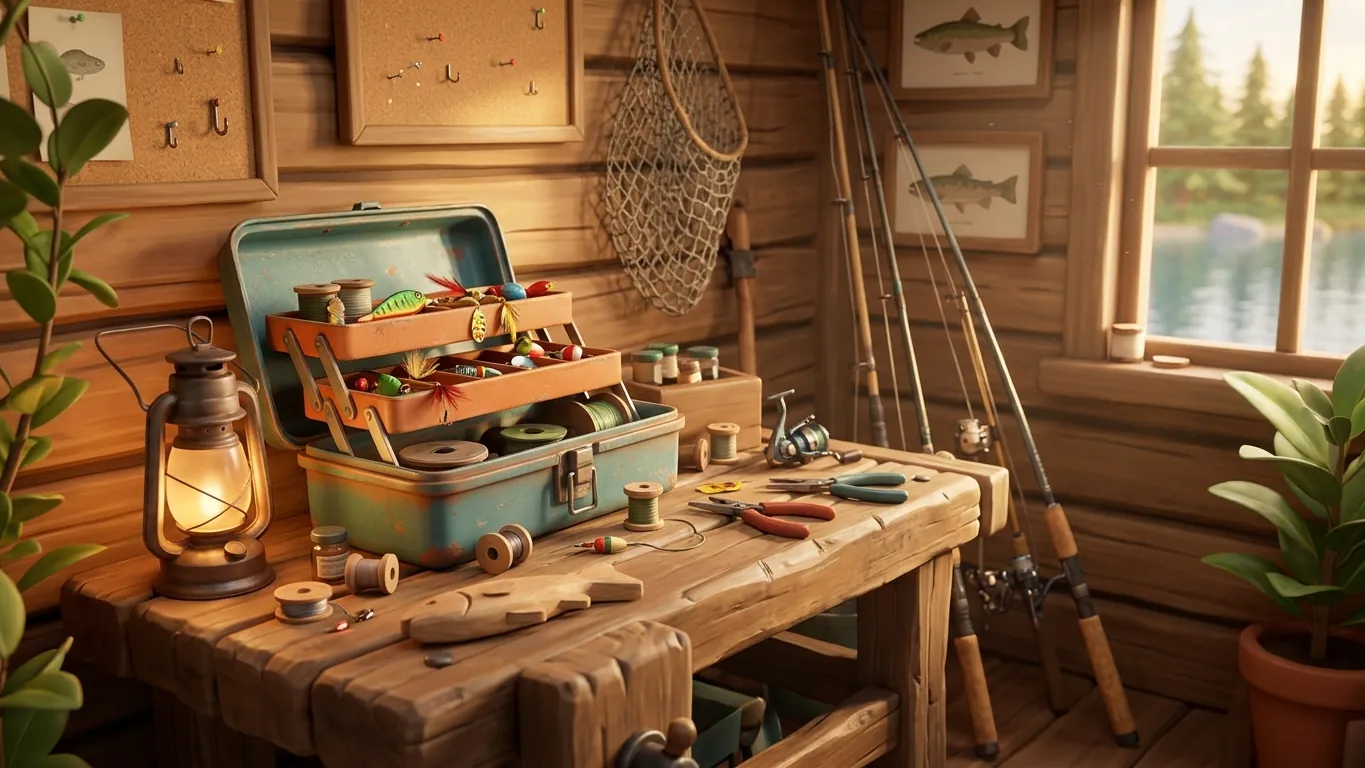 Rods, lures and upgrades in fishing games
Tips on fishing gear in video games: what rods, lines, lures and bait usually do, when upgrades make sense, and how to avoid spending resources too early.
Read more
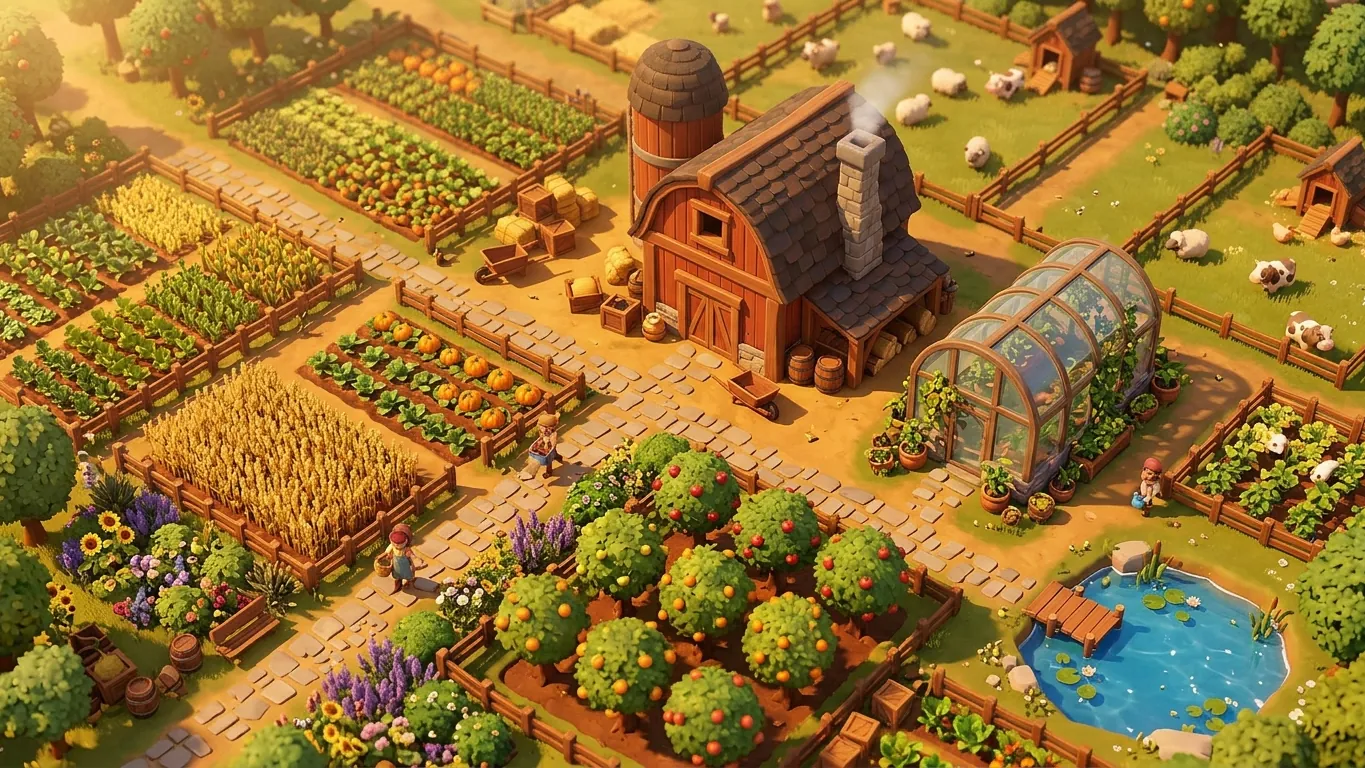 Designing a practical farm layout
A guide to designing a practical farm layout in farming games: planning paths, grouping tasks, leaving room to grow and adding personal touches over time.
Read more