Animal care basics in farming games
Animals add life and steady resources to a virtual farm. This article covers how to choose your first animals, care for them daily and expand without overwhelming your schedule.
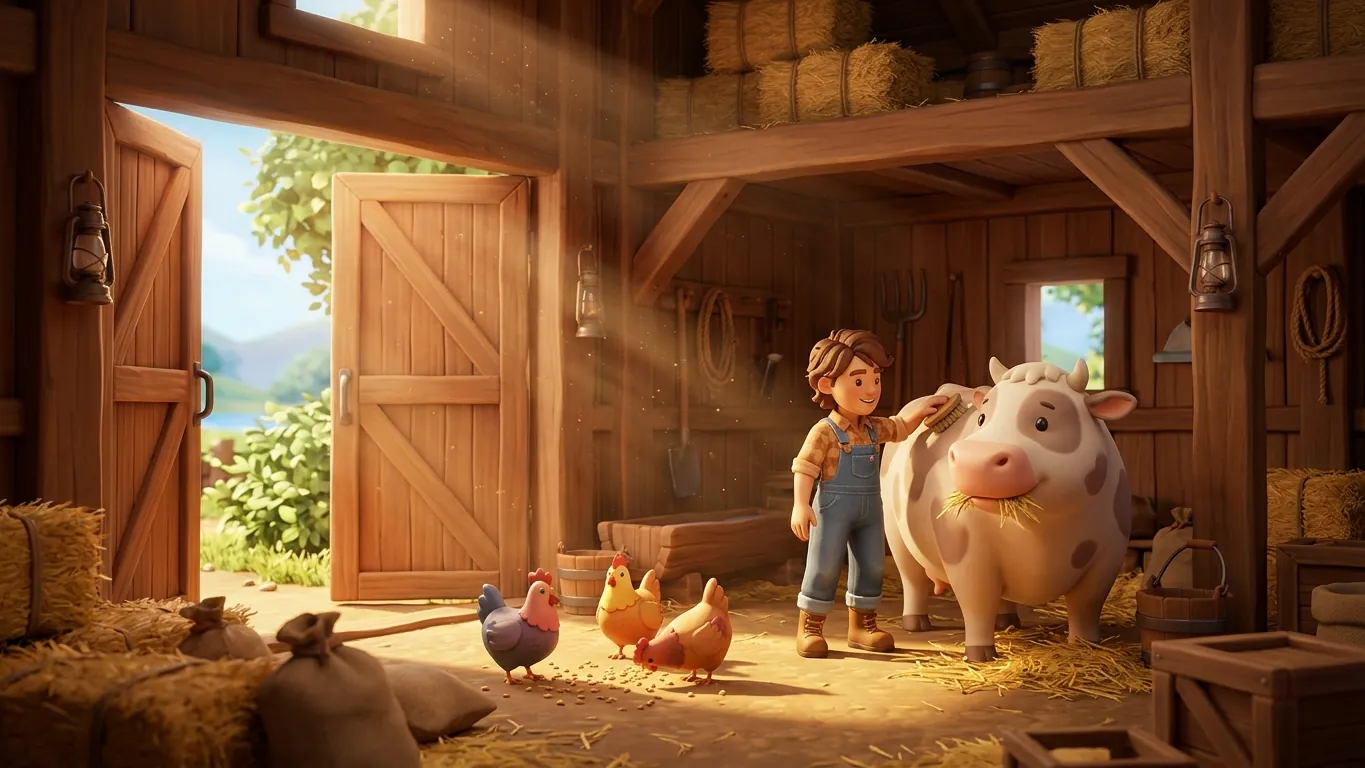
Choosing your first animals
Most farming games let you raise animals once you have the right building, such as a coop or a barn. Smaller animals like chickens are often the first available because their housing is cheaper and their care is simple. Larger animals usually require bigger buildings and more space, but may produce more valuable goods.
For a first step, it is usually sensible to start with a few easy animals and learn the routine before adding more. Check what each animal produces and whether those products fit your plans. Eggs, milk or wool can be sold, gifted, used in recipes or processed into other goods, depending on the game.
Building a daily routine
Animals generally need regular attention. Typical tasks include feeding, collecting products, letting animals outside in good weather and, in some games, petting or brushing them. Missing a day may reduce their mood or output, though most games are forgiving if it happens occasionally.
It helps to fit animal care into the same part of each day, often right after watering crops. Keeping hay or feed stocked in advance saves time, and placing buildings close together reduces walking. Once the routine is set, animal care tends to take only a few in-game minutes and becomes a pleasant part of the morning.
Setting up your first animal building
These general steps apply to many farming games.
- 01
Choose a location
Place the building near your house and fields to keep daily trips short.
- 02
Prepare feed
Stock hay or feed before animals arrive, or plant a patch of grass for grazing.
- 03
Add a fenced area
An outdoor pen lets animals graze and keeps them close to their home.
- 04
Start with a few animals
Bring home a small group and learn their needs before expanding.
- 05
Check in every day
Feed, collect products and spend a moment with each animal.
Friendship and product quality
Many farming games track how happy or friendly each animal is. Higher friendship may lead to better-quality products or occasional bonuses, depending on the game. Petting animals, feeding them consistently and letting them outside on sunny days are common ways to improve their mood.
This system rewards consistency rather than intense effort. A few seconds per animal each day adds up over time. Some games also include items that make care easier, such as automatic feeders or tools that collect products in one step. If your game offers these, they can be worthwhile upgrades once your herd grows.
Expanding without burnout
It can be tempting to fill every building with animals as soon as possible. However, each new animal adds a little to your daily workload. If care starts to crowd out fishing, exploring or relaxing, the farm may begin to feel like a job.
A steady approach works well: expand when your current routine feels easy, and invest in automation before adding large numbers of animals. Remember that you can shape your farm however you like. Some players run large livestock operations, while others keep a handful of favorite animals simply for company. Both are valid ways to enjoy the game.
Related articles
 Rods, lures and upgrades in fishing games
Tips on fishing gear in video games: what rods, lines, lures and bait usually do, when upgrades make sense, and how to avoid spending resources too early.
Read more
 Designing a practical farm layout
A guide to designing a practical farm layout in farming games: planning paths, grouping tasks, leaving room to grow and adding personal touches over time.
Read more
Balancing fishing and farming in one game day
Tips for balancing fishing and farming within one in-game day: working with the clock, finishing chores early, choosing fishing windows and adjusting by season.
Read more