Rods
Often determine casting range, control during the fight and which fish you can handle.
Better gear can make fishing easier, but not every upgrade is worth buying right away. These tips explain common gear types and how to decide what to improve first.
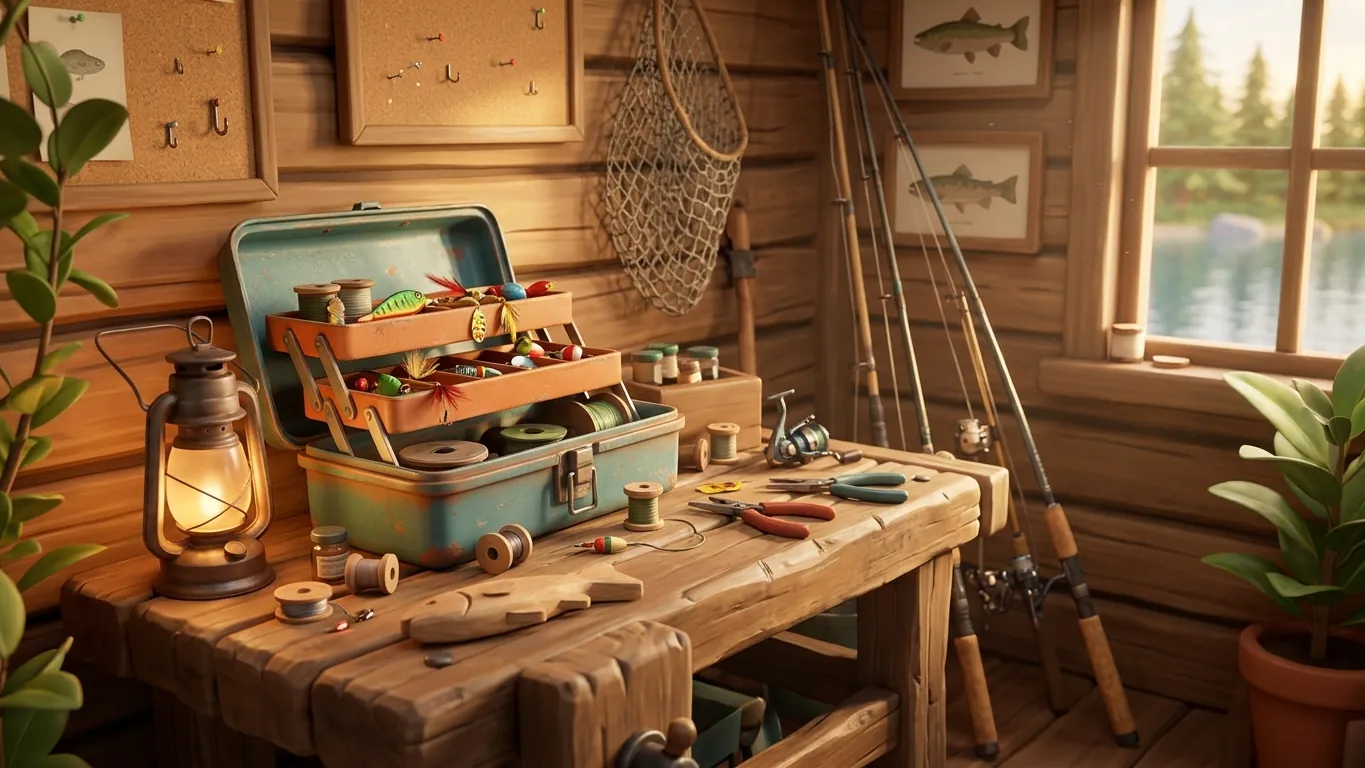
In many fishing games, your equipment affects how easy the fight is, which fish you can catch and how often fish bite. A basic rod may struggle with large fish, while an upgraded one can give you more control or a wider margin for error during the reeling minigame.
That said, skill still matters. A player who understands timing and tension can often catch more with basic gear than someone relying only on upgrades. Think of gear as something that makes good technique more comfortable, not as a replacement for learning the mechanics.
Names and effects differ by game, but these categories appear frequently.
Often determine casting range, control during the fight and which fish you can handle.
Stronger lines may tolerate more tension before snapping.
Consumable items that can attract fish faster or target certain species.
Reusable attachments that may change bite rates, depth or behavior.
Extras such as nets, bobbers or tackle that add smaller bonuses.
A good moment to upgrade is when you notice a specific problem. If big fish keep breaking your line, a stronger line or rod makes sense. If you spend a long time waiting for bites, bait or a better lure might help. If you cannot reach a certain area of water, look for gear that increases casting distance.
Upgrading for a clear reason helps you spend resources wisely. In farming and life-simulation games, money is shared with seeds, tools and buildings, so an expensive rod bought too early might delay an important farm upgrade. Weigh how much time you actually spend fishing before investing heavily in gear.
Bait is usually consumed with each catch, while lures can be used repeatedly. Bait tends to be cheap or easy to craft and is useful when you want faster bites for a short session. Lures often cost more up front but save resources over time.
Some games link certain bait or lures to specific fish, making them essential for completing collections. Others offer general bonuses. Experimenting with a few options in your favorite spot is the easiest way to learn what makes a difference in your game. Reading item descriptions closely also helps, since small details often explain how an item works.
One common trap is buying the newest item without checking whether it suits your style. A rod designed for deep sea fishing may offer little benefit if you mostly fish in a pond near your farm. Another is stockpiling consumables you rarely use, which ties up money and storage space.
A third trap is chasing upgrades so quickly that fishing stops feeling fun. Part of the satisfaction in these games comes from gradual improvement. Take time to enjoy each stage of gear, learn its limits and upgrade when the next step feels genuinely useful. That way, every new rod or lure feels like a meaningful milestone.
 Designing a practical farm layout
A guide to designing a practical farm layout in farming games: planning paths, grouping tasks, leaving room to grow and adding personal touches over time.
Read more
Balancing fishing and farming in one game day
Tips for balancing fishing and farming within one in-game day: working with the clock, finishing chores early, choosing fishing windows and adjusting by season.
Read more
 Fishing game basics: cast, hook and reel
Learn how fishing mechanics usually work in video games, from casting and the hook set to reeling and managing line tension, with a simple practice routine.
Read more