Planning your first season on a virtual farm
The first season in a farming game sets the pace for everything that follows. This guide covers how to start small, manage time and energy, and prepare for the next season.
Why the first season matters
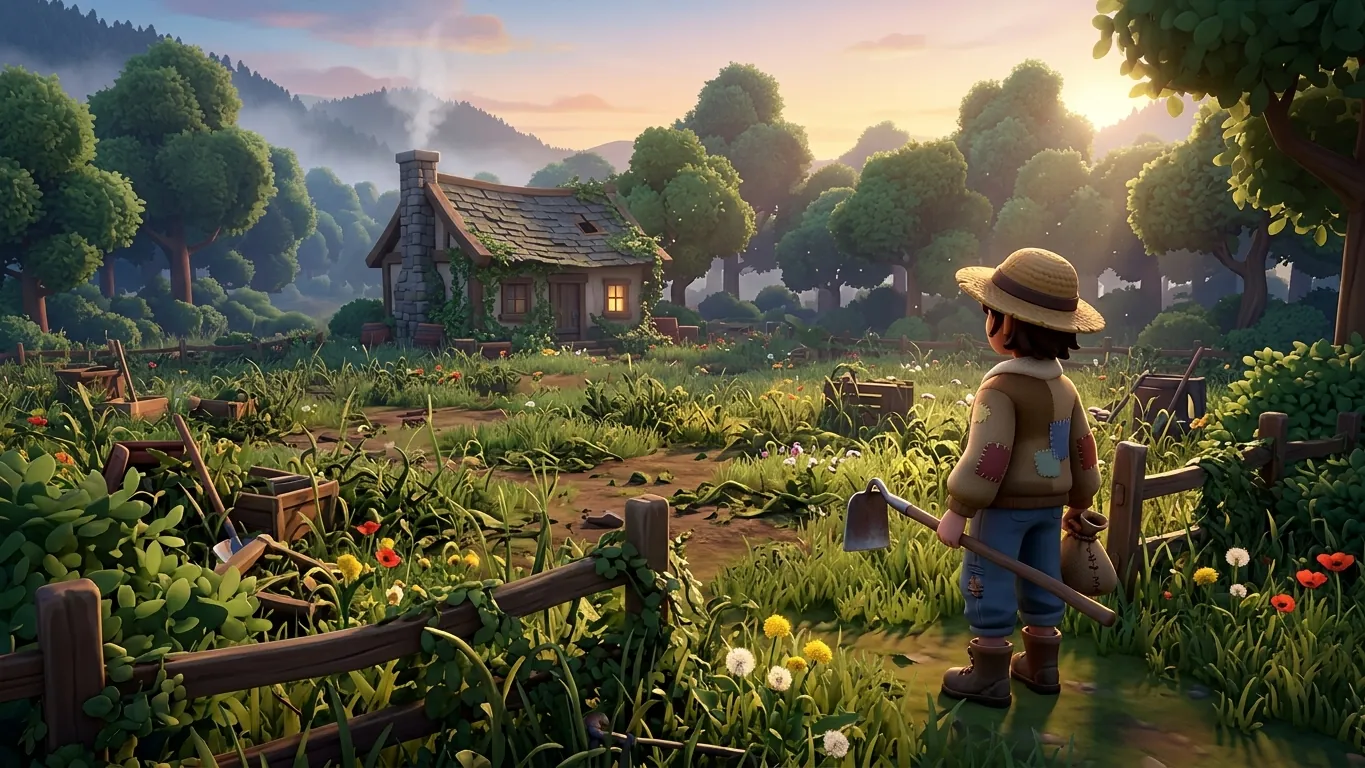
Most farming games start you with very little: a patch of overgrown land, a few basic tools and a handful of seeds. The decisions you make in these first in-game weeks shape how quickly your farm grows. Money earned early buys better seeds and tools, which in turn make the next season smoother.
That does not mean you need to play perfectly. Farming games are generally forgiving, and many players enjoy learning by trial and error. Still, a little planning can save frustration, especially in games where energy, time and money are all limited at the start. The goal of the first season is simple: learn the routine, build a small reliable income and leave yourself room to expand.
Start smaller than you think
It is tempting to clear the whole field and plant everything on day one. In practice, a large field becomes a large watering job. If your character runs out of energy or the day ends before chores are done, crops may suffer and other activities like fishing or exploring get squeezed out.
A smaller, well-tended plot is usually more productive than a large neglected one. Plant what you can comfortably water and harvest each day, then expand once you have upgraded tools or automated watering. This approach also leaves time to learn the rest of the game world, meet characters and discover where resources are found.
A first-week checklist
These steps fit most farming games and help you build a steady routine early on.
- 01
Clear a modest area
Remove debris from a small patch near your home so travel time stays short.
- 02
Plant fast-growing crops
Early harvests return money quickly and teach you the planting cycle.
- 03
Explore nearby areas
Look for foraging spots, fishing locations and shops you will visit often.
- 04
Learn the daily rhythm
Notice when shops open, how long chores take and when your character tires.
- 05
Set one savings goal
Pick a single upgrade, such as a better watering tool, and work toward it.
Manage energy and time
Many farming games limit what you can do each day through an energy or stamina bar and an in-game clock. Every swing of a tool costs energy, and every trip across the map costs time. Learning how these two resources interact is one of the most useful skills you can develop.
Try to group tasks by location. Water crops, collect anything nearby and then head out in one direction for errands or fishing, rather than crossing the map several times. If your game lets you restore energy with food, keep a few simple items handy. And when energy is low, consider switching to low-cost activities like talking to characters or browsing shops.
Prepare for the next season
Seasons in farming games often change which crops can grow, so it helps to look ahead. Near the end of your first season, check what will be available next and whether you will need new seeds or tools. Some crops may wither when the season changes, so avoid planting slow growers that will not finish in time.
Use the final days of a season to tidy up, sell surplus goods and set aside resources for the next round of planting. Entering a new season with a little money and a clear plan makes the transition far less stressful. Above all, remember that there is usually no deadline that truly punishes slow progress. Playing at a comfortable pace is part of what makes the genre enjoyable.
Related articles
 How to choose crops in farming games
Tips for choosing crops in farming games: growth times, regrowing plants, seasons, weather and processing goods, with key questions to ask before planting.
Read more
 Reading the water: finding fish in games
How to find fishing spots in video games by reading locations, time of day, weather and visual clues on the water, plus tips for keeping a catch journal.
Read more
 Why fishing and farming games feel so calming
An opinion piece on why many players find fishing and farming games calming: gentle challenges, steady routines, visible progress and echoes of real pastimes.
Read more