Will it finish in time?
Compare the growth time with the days left in the season.
Not every crop suits every moment in a farming game. These tips explain how growth times, seasons and processing options can guide what you plant.
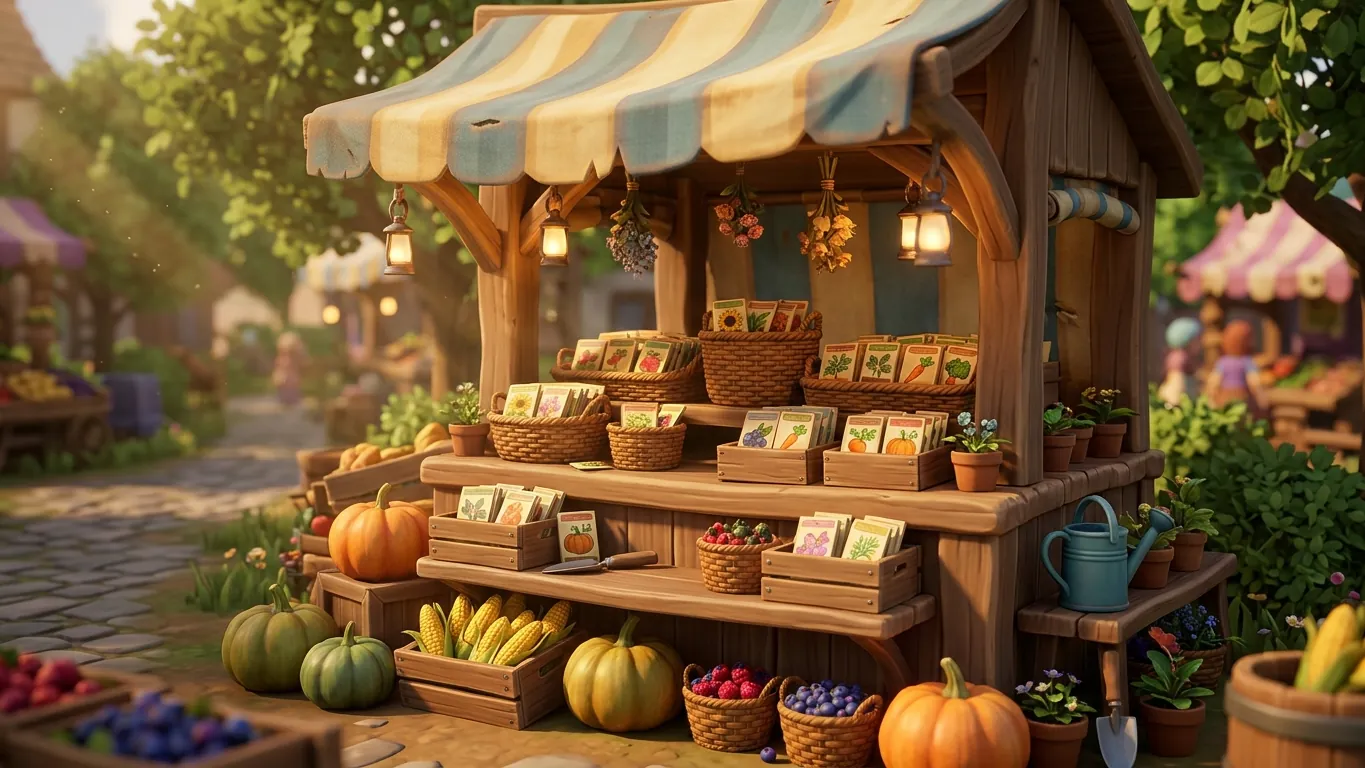
Growth time is often the first number to check. Fast crops produce a harvest within a few in-game days, giving you money and experience quickly. Slow crops may take most of a season but can be more valuable per harvest.
Early in a game, fast crops are usually a practical choice because they let you reinvest sooner. Later, when your farm is larger and your income steady, slower crops can make sense, especially if they need less daily attention. A balanced field often mixes both, so something is always ready to harvest while larger crops mature in the background.
Many farming games distinguish between crops you harvest once and crops that keep producing after the first harvest. Single-harvest crops need to be replanted, which costs seeds and time. Regrowing crops take longer to establish but then produce repeatedly for the rest of the season.
Regrowing crops can reduce how often you visit the seed shop and how much replanting you do. The trade-off is that they occupy their tiles for a long time, so plan their location carefully. Single-harvest crops offer more flexibility, letting you change your field layout between harvests or respond to new goals such as a request from a village character.
Seasonal calendars are a key feature of the genre. A crop that thrives in one season may not grow at all in another. Before buying seeds, check how many days remain in the current season and whether the crop can finish growing in time.
Weather can also matter. In some games, rain waters crops automatically, saving you energy. Others include storms or special weather that affects certain plants. Greenhouses or indoor plots, when available, often let you ignore seasonal limits, which makes them valuable for slow or high-value crops. Keep in mind that every game handles these systems a little differently, so read the in-game descriptions when in doubt.
A quick check against these questions can prevent wasted seeds and empty fields.
Compare the growth time with the days left in the season.
Make sure the field size matches your daily energy and tools.
Check for requests, quests or recipes that call for a specific crop.
Some crops become more useful as preserves, drinks or ingredients.
A field you like looking at is a field you will want to tend.
Many farming games let you turn raw crops into processed goods using machines or workshops. Fruit might become jam, grain might become flour, and vegetables might become ingredients for cooked meals. Processed goods often have extra uses, such as gifts for characters or materials for upgrades.
Processing takes time and equipment, so it works best once your farm produces a steady surplus. When choosing crops, consider whether they feed into the processing chains you plan to build. Finally, do not overlook personal preference. Farming games are as much about creating a place you like as they are about efficiency, and planting a field just because it looks nice is a perfectly good reason.
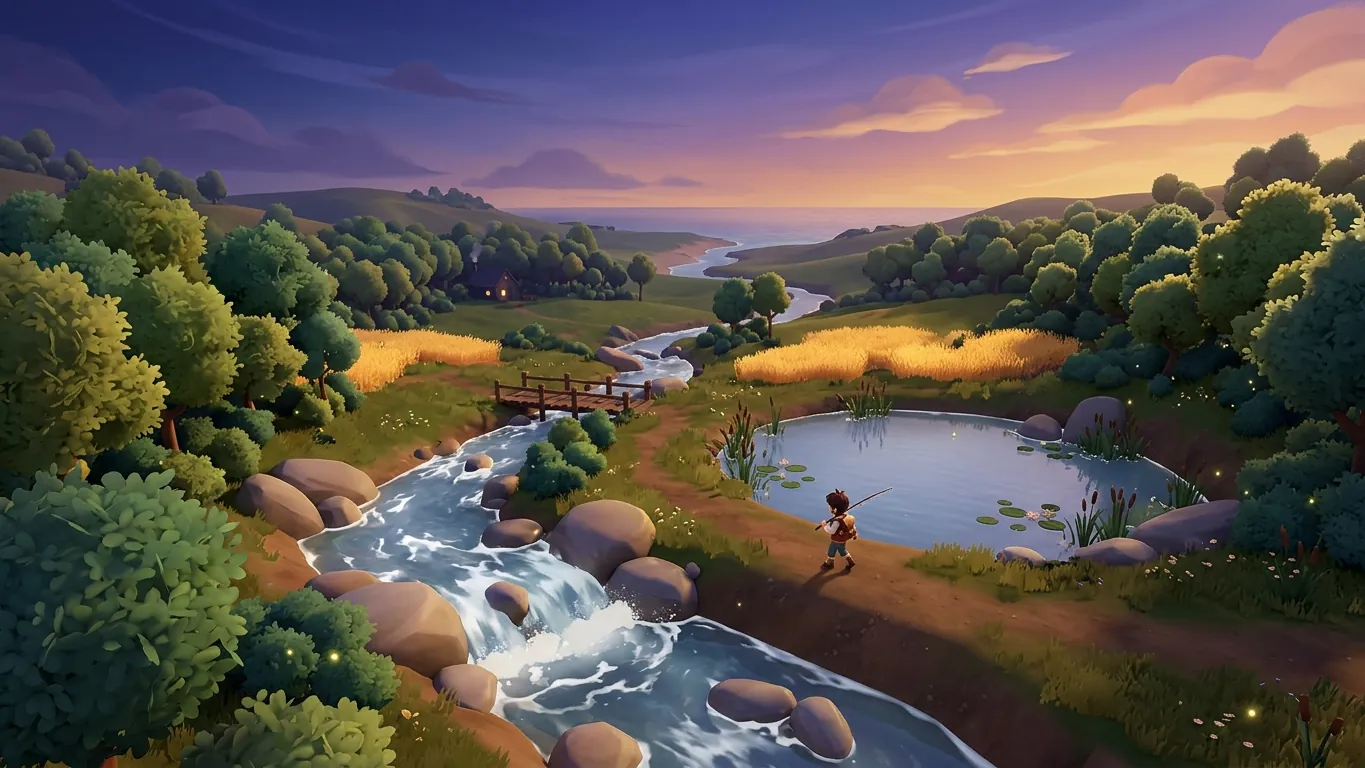 Reading the water: finding fish in games
How to find fishing spots in video games by reading locations, time of day, weather and visual clues on the water, plus tips for keeping a catch journal.
Read more
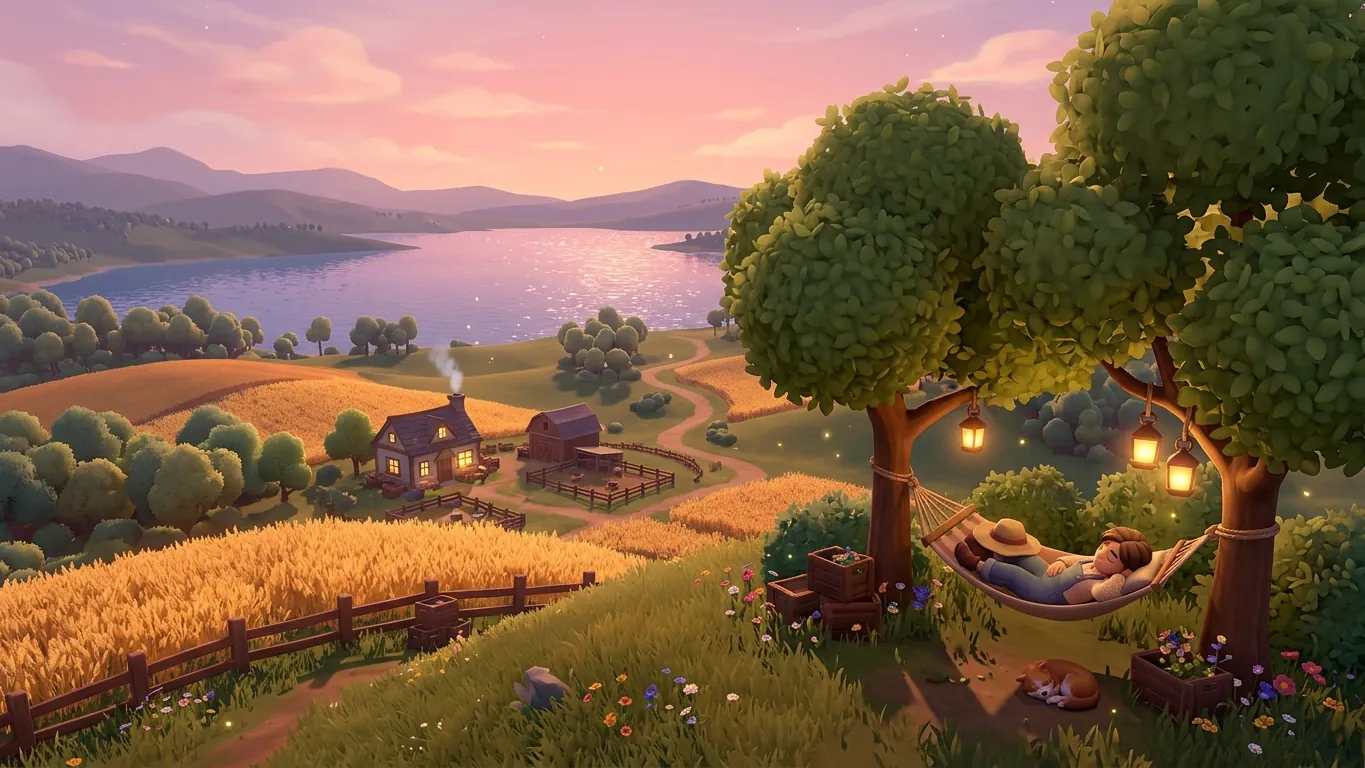 Why fishing and farming games feel so calming
An opinion piece on why many players find fishing and farming games calming: gentle challenges, steady routines, visible progress and echoes of real pastimes.
Read more
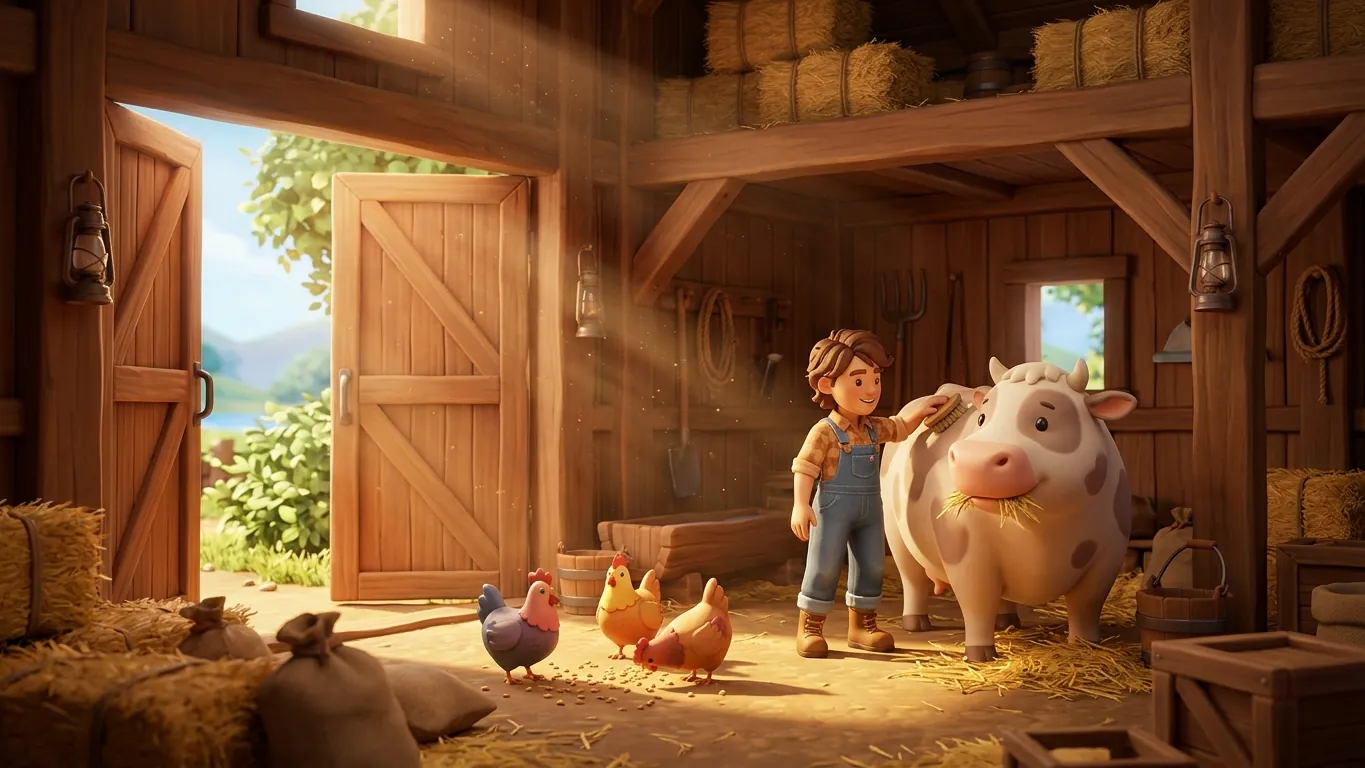 Animal care basics in farming games
An introduction to animal care in farming games: choosing your first animals, building a daily routine, setting up barns and expanding at a comfortable pace.
Read more